
The One Health concept – from soil to humans
- Aug 18
- 1 min read

Humans are not separate entities, but part of the whole world. All organisms are interconnected, and human health depends on the health of the soil, plants, and animals.
🦠 Microorganisms are the smallest, yet among the most essential elements of life on Earth; they were the first to colonize our planet and currently make up a significant portion of global biomass:
bacteria - 15% of living biomass,
fungi - 2% of living biomass,
archaea - 1% of living biomass.
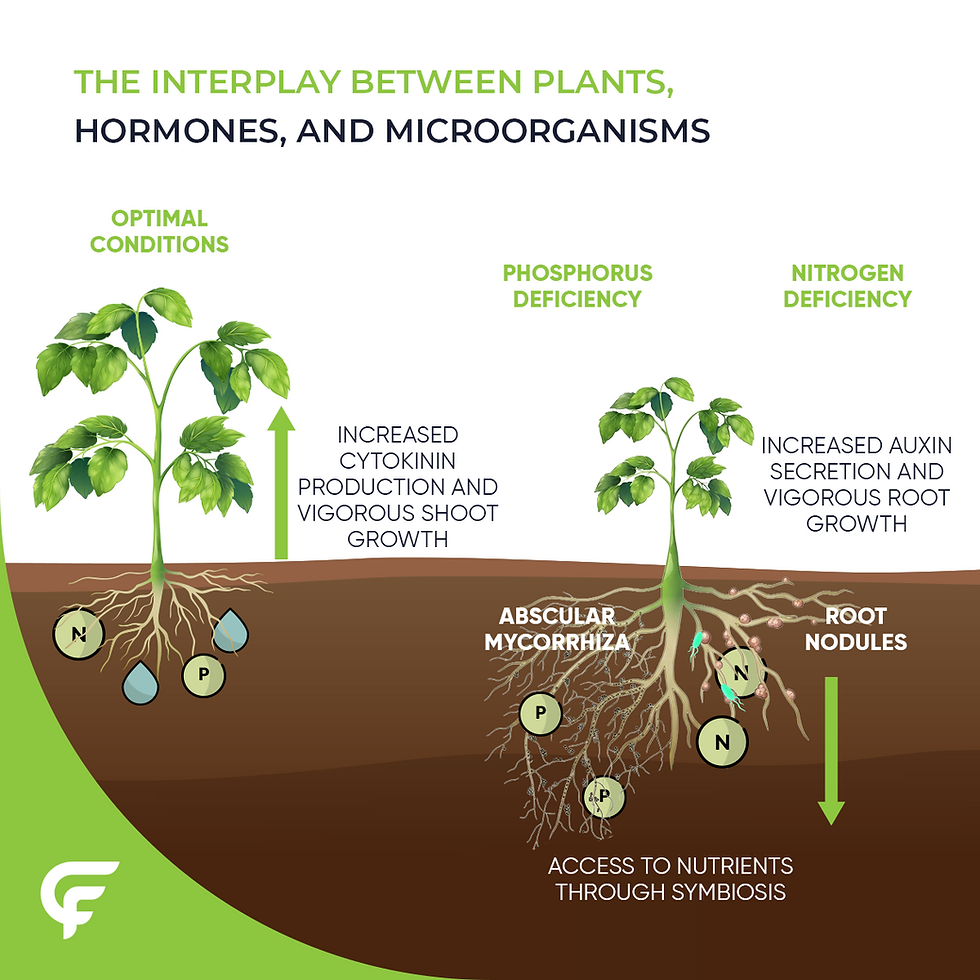
🔬 The foundation of the One Health concept is soil health and the beneficial and harmful microorganisms inhabiting the soil and the rhizosphere (the soil zone associated with plant roots).
🛡️ Soil is home to nearly one-third of the total diversity of microorganisms, and the dominant groups are Pseudomonadota, Actinomycetota, Cyanobacteriota, and Acidobacteriota, which perform extremely important functions:
they participate in material cycles,
maintain proper soil structure,
support plant health,
limit the growth of pathogens,
and increase the resilience of ecosystems to climate change.
💊Microorganisms exist in soil as well as in human and animal bodies, where they perform vital functions like digesting food, synthesizing vitamins, and supporting immunity.
🌐 The health of every living organism begins with these tiny, deeply hidden microorganisms, which form the foundation of the One Health concept.


Comments